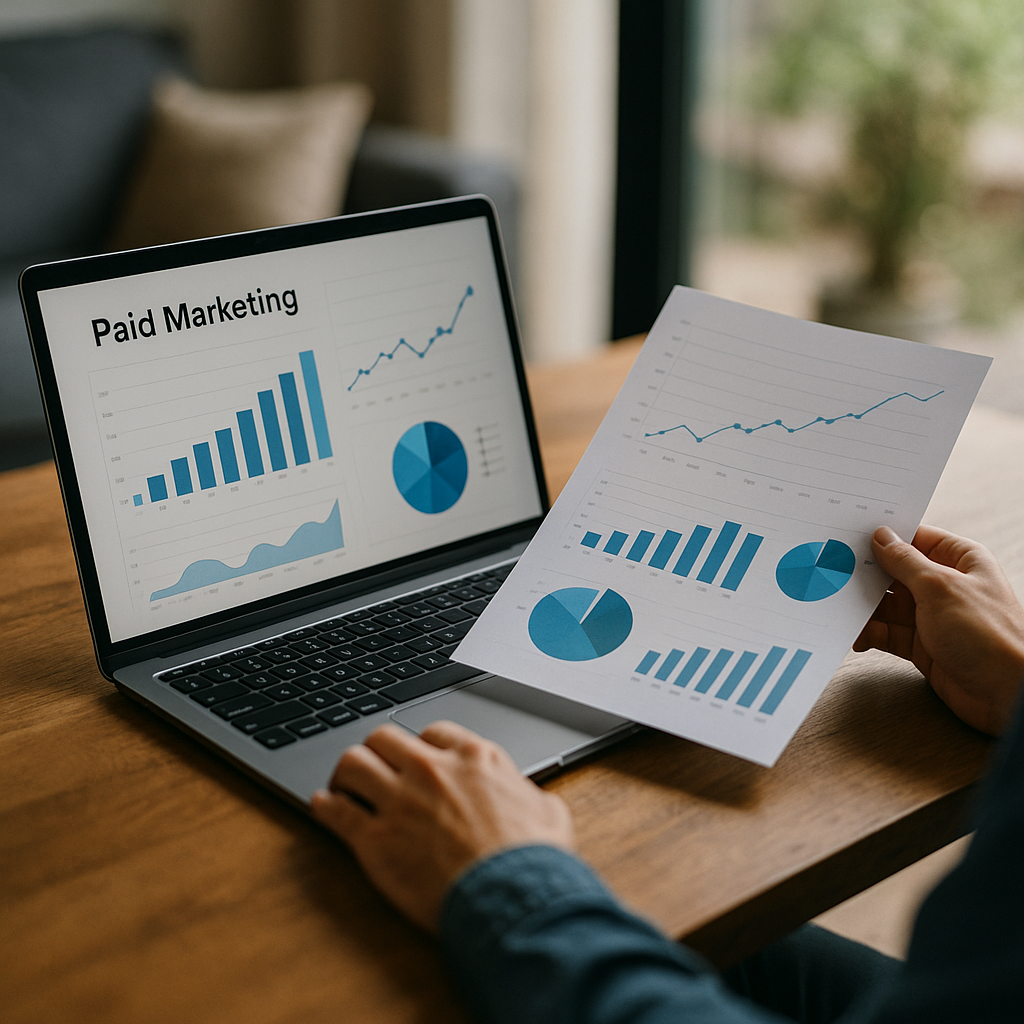
What Is Paid Marketing?
Paid marketing, also known as pay-per-click (PPC) advertising or paid media, involves businesses paying for ad placements to reach specific audiences across digital platforms. In, paid marketing is more refined than ever, using advanced tools like AI-driven targeting and predictive analytics to maximize ROI.
Whether it's on search engines, social media, or third-party websites, paid marketing ensures visibility for your brand, driving traffic and conversions efficiently. With platforms constantly evolving, understanding how paid marketing works is essential for modern businesses.
Why Paid Marketing Is Crucial
As organic reach continues to decline across major platforms, businesses are turning to paid marketing as a reliable strategy to remain competitive. In, the landscape is dominated by tools like Google Ads, Meta Ads, and programmatic advertising networks. Here’s why paid marketing is indispensable:
- Immediate Visibility: Paid ads can instantly place your brand in front of your target audience.
- Highly Targeted Campaigns: Advanced audience segmentation and AI-based targeting ensure your ads reach the right people.
- Measurable ROI: With detailed analytics, you can track every click, impression, and conversion to optimize campaigns.
For businesses looking to scale, paid advertising offers unparalleled opportunities for growth. To explore how these services can transform your business, check out our Marketing Services.
Types of Paid Marketing Campaigns
In, paid marketing tactics have expanded far beyond traditional PPC. Let’s dive into the most effective campaign types:
Search Engine Advertising
Search engine advertising, such as Google Ads, remains a cornerstone of paid marketing strategies. By bidding on keywords, businesses can appear at the top of search results when users are actively looking for their products or services.
For example, if you’re running a campaign for “website design services,” targeting high-intent keywords can drive traffic directly to your Website Features page.
Social Media Advertising
Platforms like Meta (formerly Facebook), Instagram, LinkedIn, and TikTok have revolutionized paid marketing by offering hyper-specific audience targeting. Social media ads are perfect for engaging users through visually appealing content and precise demographics.
Using these ads effectively can help boost brand awareness, generate leads, and even retarget customers who have visited your website.
Display Advertising
Display ads, including banners and rich media, are placed on third-party websites to attract users. This form of paid marketing is excellent for brand visibility and retargeting campaigns.
Native Advertising
Native ads blend seamlessly with the content on a platform, making them less intrusive. These ads are ideal for educating your audience while promoting your services. If you’re looking for pricing details for your next campaign, visit our Pricing page.
How to Create a Successful Paid Marketing Strategy
Building an effective paid marketing strategy requires a deep understanding of your audience and goals. Follow these steps:
- Define Clear Objectives: Decide whether you’re aiming for brand awareness, lead generation, or sales conversions.
- Choose the Right Platforms: Select platforms based on where your target audience spends their time.
- Develop Compelling Ad Creatives: Use visuals, copy, and calls-to-action to grab attention.
- Optimize for Mobile: With mobile traffic dominating, ensure your ads are mobile-friendly.
- Track and Adjust: Continuously monitor performance metrics and refine campaigns for better results.
Remember, a well-structured paid marketing strategy can complement your organic efforts. Find more insights on how to integrate paid and organic tactics on our Blog.
Common Mistakes to Avoid in Paid Marketing
While paid marketing offers immense potential, mistakes can be costly. Here are some common pitfalls to avoid:
- Ignoring Audience Insights: Failing to understand your audience can lead to wasted ad spend.
- Overlooking Analytics: Data-driven decisions are crucial. Use analytics tools to optimize campaigns.
- Skipping A/B Testing: Testing different versions of ads ensures you’re using the most effective creative.
- Underestimating Budget Allocation: Balance your budget across campaigns to maximize ROI.
Paid marketing requires attention to detail and proactive adjustments. For expert guidance, explore our About page to learn more about our services.
Conclusion: Unlock Your Growth Potential
Paid marketing is a powerful tool for businesses aiming to scale quickly and effectively. By leveraging advanced technologies and refining targeting strategies, businesses can achieve their marketing goals with precision and measurable results.
Whether you're new to paid advertising or looking to optimize your existing campaigns, our team can help you navigate the complexities of modern paid marketing. Ready to take the next step? Contact us today to discuss your strategy!